‘so I assumed there would be, at some point, a door with a glittering knob, but when this would happen and where I had no idea.’ Louise Glück, Faithful And Virtuous Night, 2014.
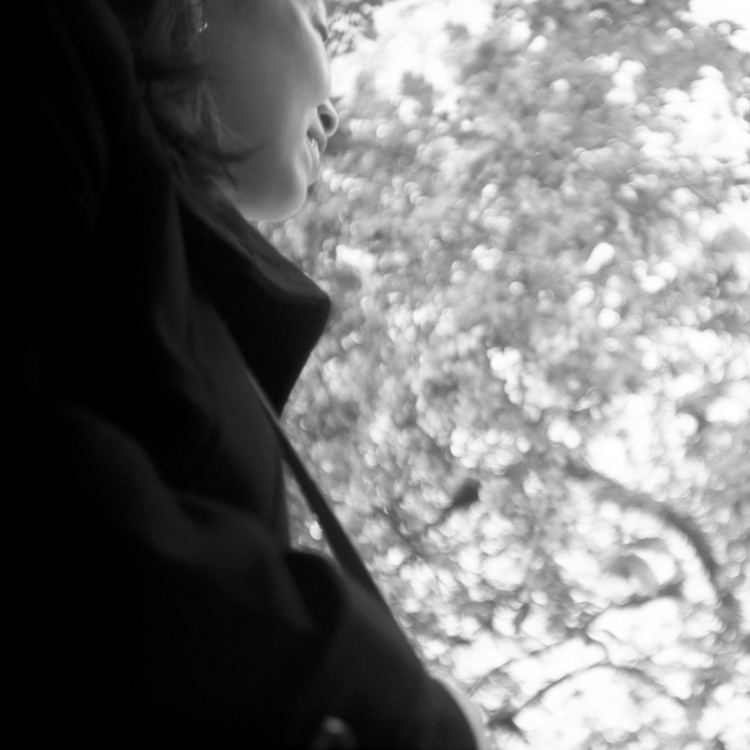
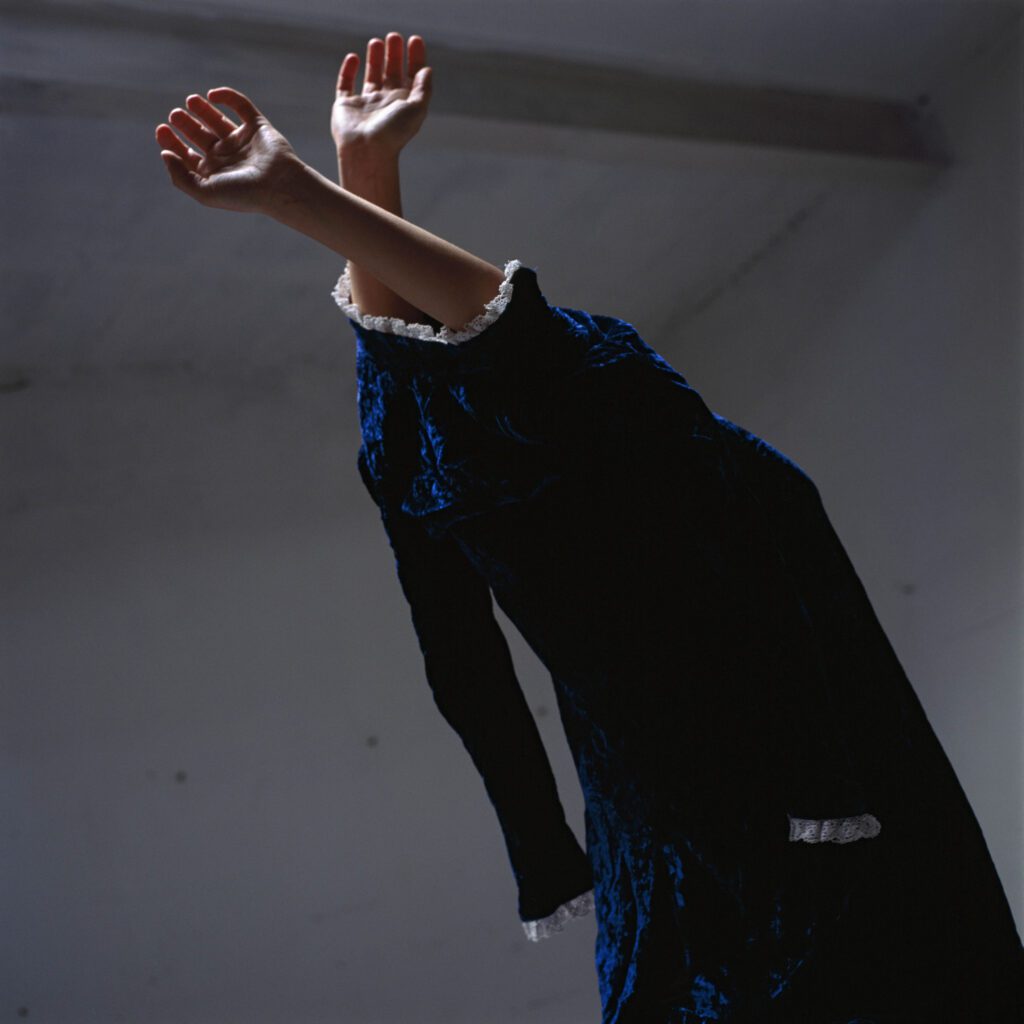
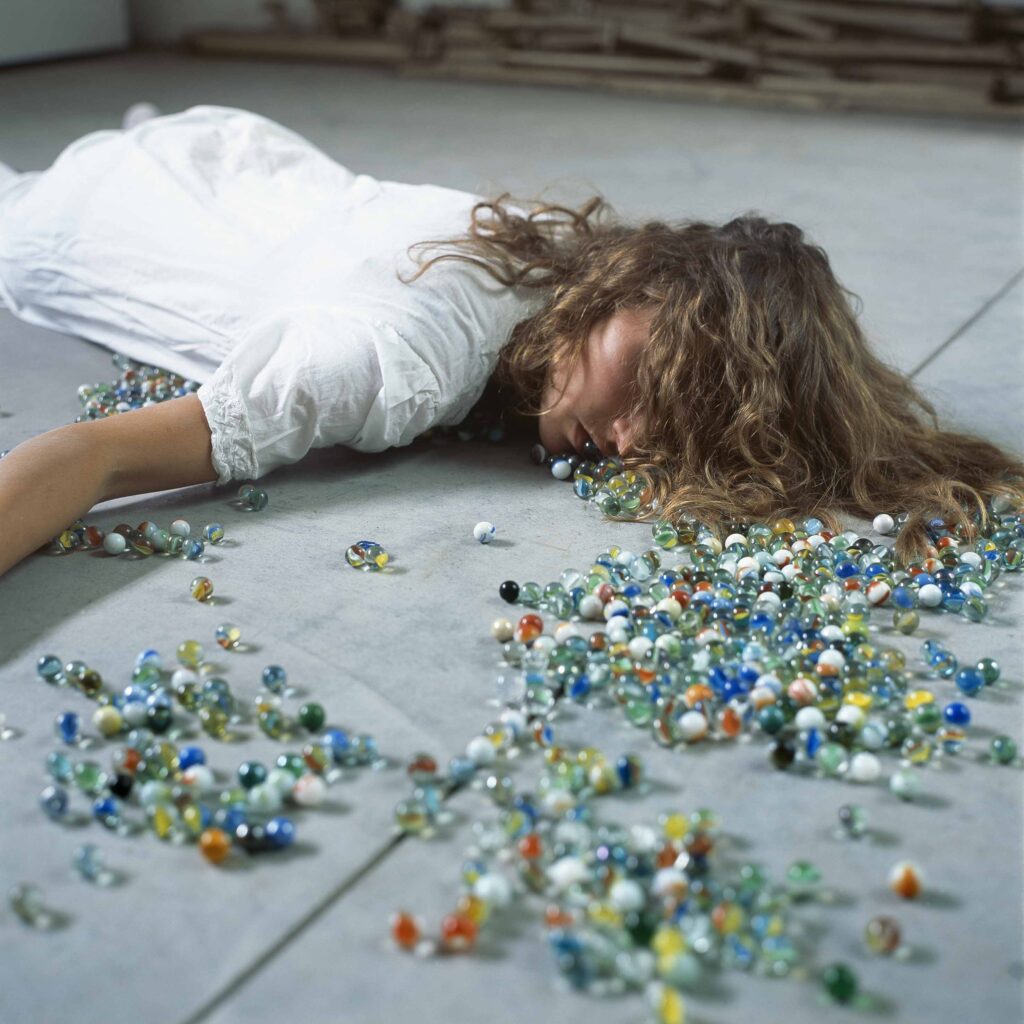
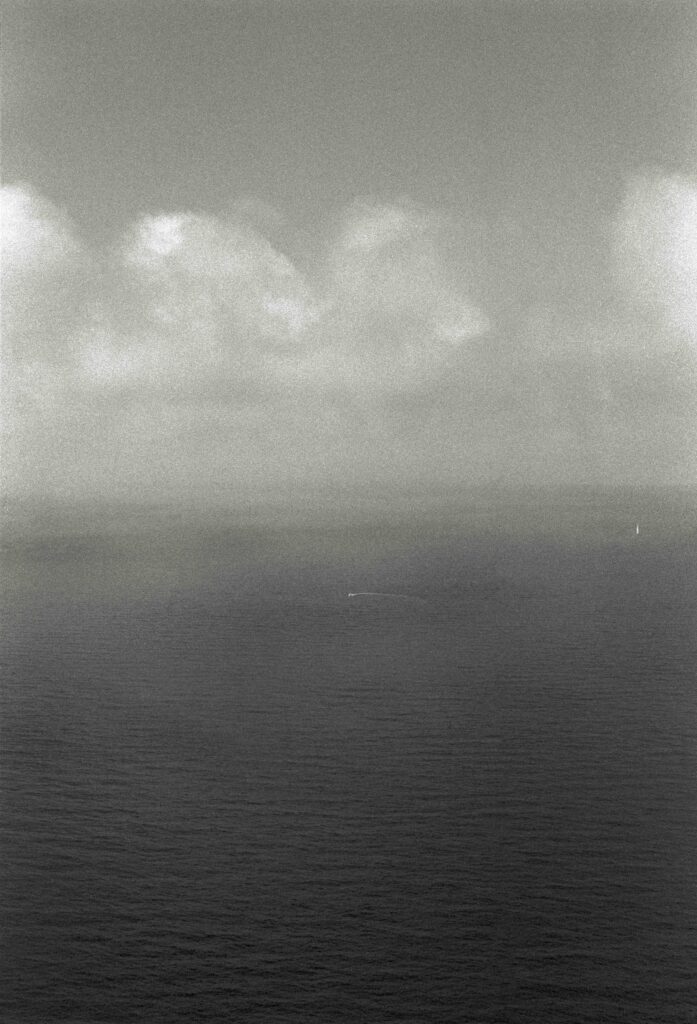
One could easily establish quite a precise typology by looking at the images collected and placed in HESTER by Kumi Oguro (the word ‘image’ is used on purpose here, instead of photography or photographic work). Here, we can see – and this list is not exhaustive – female figures, parts of bodies, closed-off interiors that are often empty, abandoned or run-down, spaces, floors and wide-open ceilings, plays on natural or artificial light, the presence of mirrors that are concealed to varying degrees, trivial accessories such as fabrics, curtains, clothes, woollen threads, cotton, chairs and armchairs that have become worn with use, small figurines, marbles or festive confetti, primary colours and other shades that are, frankly, lacklustre. But, proceeding in this manner, would we knowingly enter this world, of which Kumi Oguro shows us carefully designed and selected sections? A world – a story – that is equally about what she wants to reveal, but which she does not describe to us, and what we are encouraged to discover on our own.
Melancholy, nostalgia, fragility or darkness, but without being sombre? Duality is probably key in the still young body of work of Gert Motmans. It balances between figurative and abstract, complexity and a – deceitful – simplicity. The graduate from the royal academy of Fine Arts, visual artist and fashion designer puts his identity, personality, personal experiences and dreams first in his collages. Motmans’ pictures express a desire for another world. A longing for familiarity and nostalgia. At the same time his images seem to embrace a threatening, futuristic vision.
The fragile works seem to feed on romanticism as well as minimalism. It shows a sense of great tenderness and sensuality but also of apprehension, a slight fear to possibly lose something.
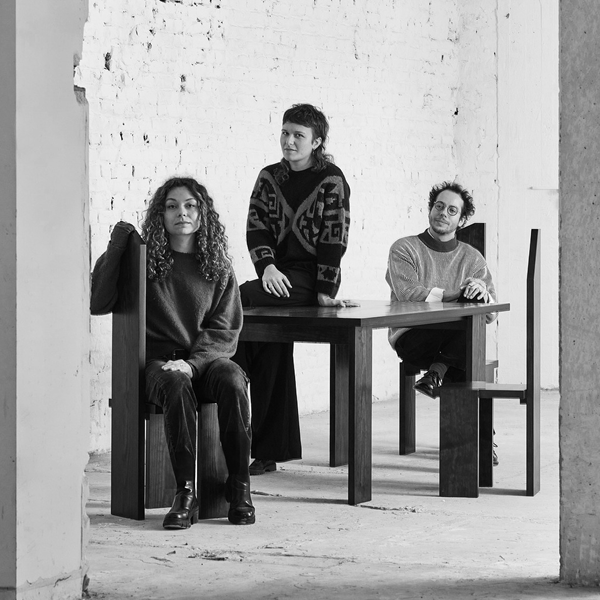
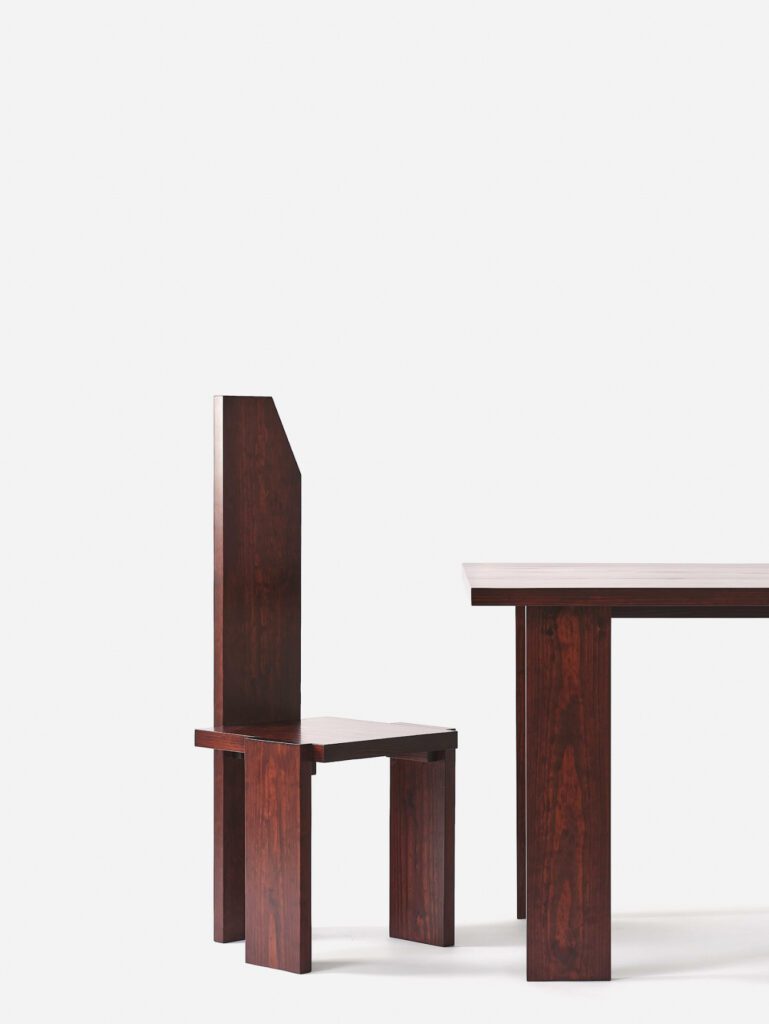
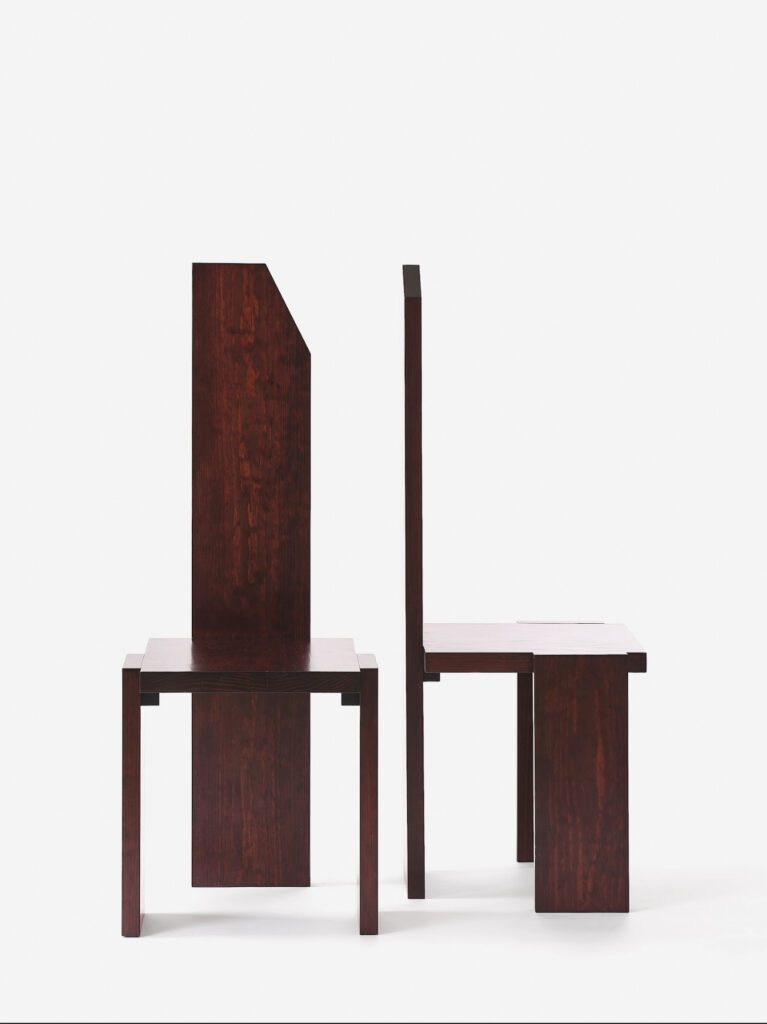
mire is a collaborative multidisciplinary studio bringing together architects and artisans, working across the complementary fields of architecture, art, construction, scenography, landscape, and craftsmanship. Based between Brussels and Paris, the studio develops projects at various scales, creating sensory experiences ranging from objects to territorial interventions. We design projects deeply rooted in their context, highlighting the unique character of each place and the people who inhabit it. Our approach is driven by a pursuit of precision, elegance of proportions, attention to detail, narratives, economy of means, diversion, and reuse. The studio operates through an open network of collaborators, fueled by the sharing of knowledge, skills, and passions. Mire is a collaboration between Clémence Charpenet (woodworker, cabinetmaker), Lucile De Gori (architect), and Lénaïck Kunze (architect).
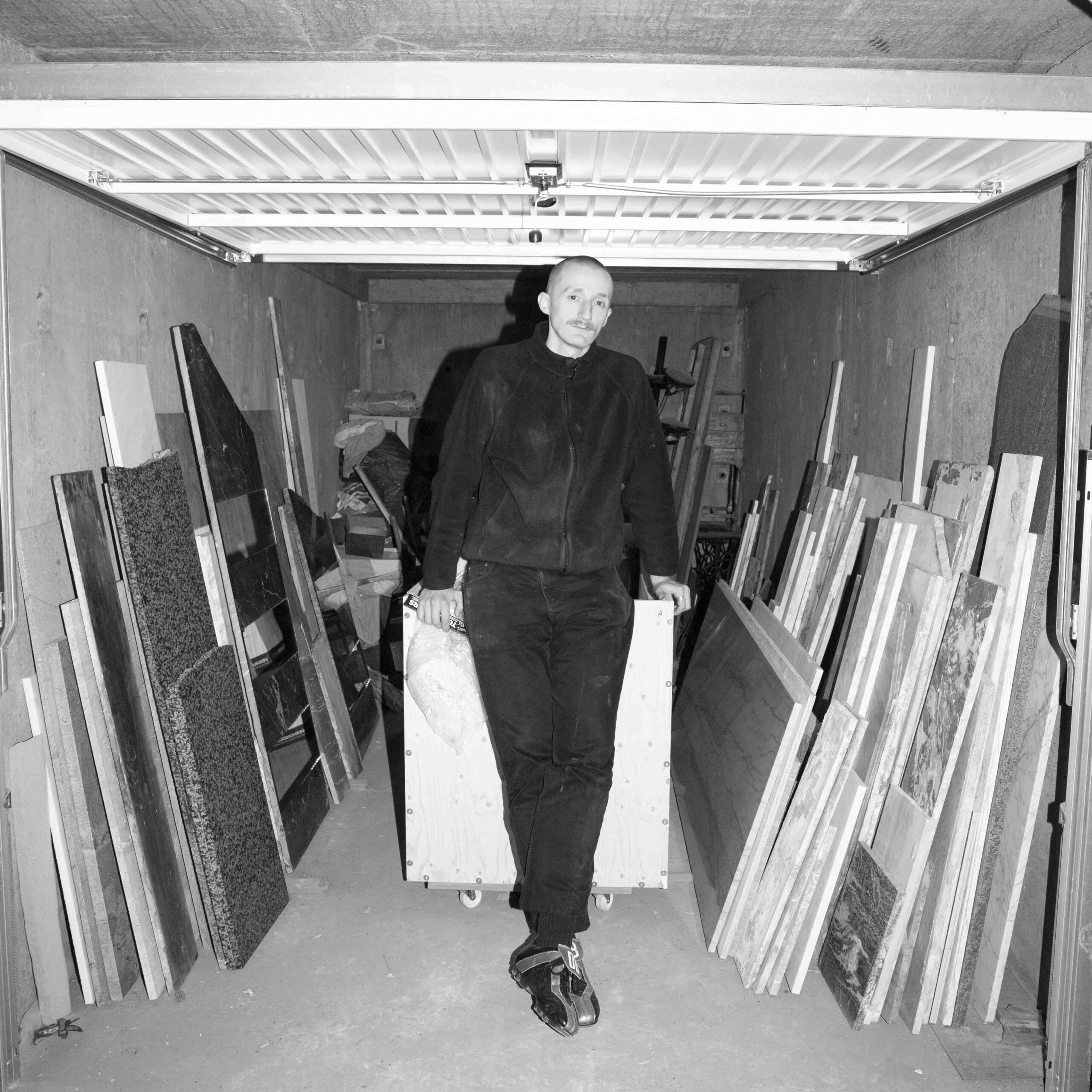
oskar de roover objects is a studio for furniture and sculptural objects, founded by Oskar De Roover in Antwerp, Belgium. Rooted in a deep respect for material and time, the studio explores how objects can carry memory, meaning, and longevity through thoughtful design.
Each piece begins with reclaimed natural stone – once part of sills, mantels, or facades – carefully sourced across Belgium. These fragments, marked by previous lives, are reassembled without harm or excess, using reversible techniques that honour their integrity and allow for future transformation.
With a focus on material authenticity and quiet presence, the work invites a slower way of seeing—revealing new narratives about value, impermanence, and the poetry of the everyday.
Besides this part of his practice, De Roover works as a freelance interior architect and as an assistant at the University of Antwerp.
Veerle Verschooren designs with stained glass. Her roots are in the Waasland region, as the great-granddaughter of clog makers and seamstresses. She studied at the Sint-Lucas Institute in Ghent, where she graduated as a ‘Master in Glass Art’ (1999). Veerle also studied under teachers such as Michèle Perozeni and Udo Zembok (l’Ecole supérieur des arts decoratifs Strasbourg, France), Miloslava Svobodova and Koen Vanderstukken (Institute for Artistic Crafts Mechelen). Veerle gradually discovered that she has a talent for ‘making’ and that the blood of her ancestors flows through her veins. She started her own studio in 2000. First part-time, and then fully self-employed from 2010. This allowed Veerle to concentrate on designing and experimenting with this ancient but very much alive craft.
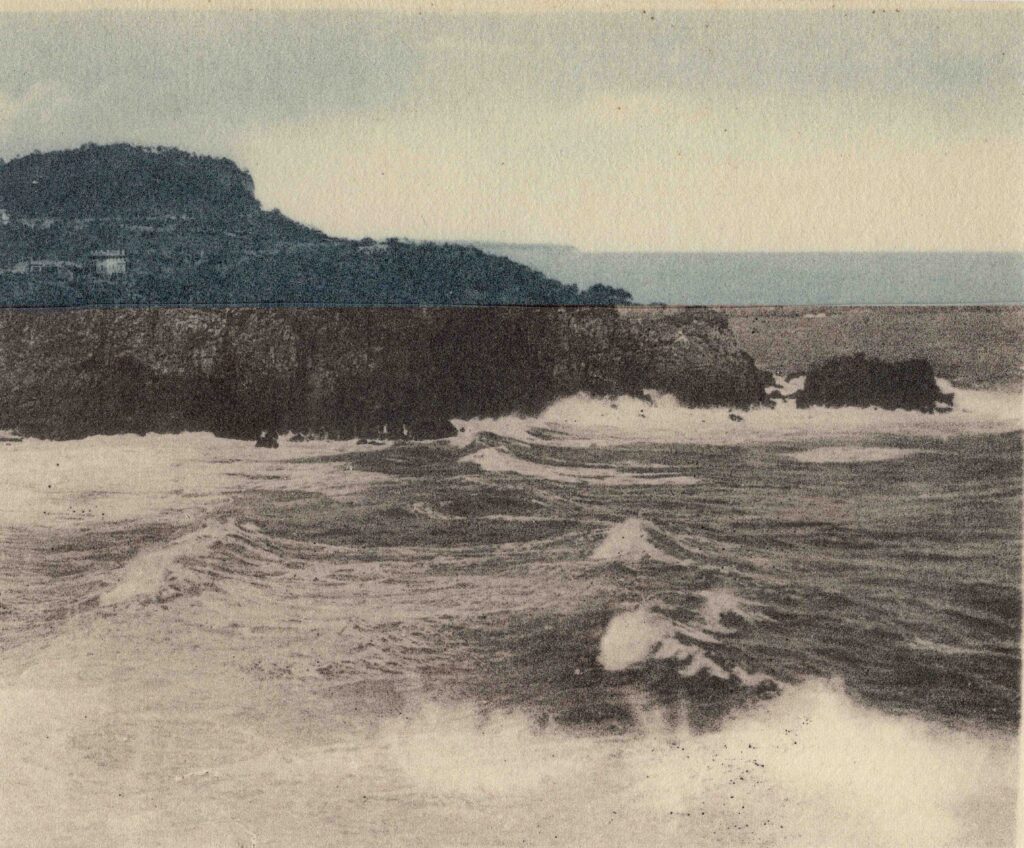
As a visual artist and photographer, Bernadette Messiaen creates layered images using multiple graphic and photographic techniques that she employs with equal measures of freedom and spontaneity.
The artist usually makes use of shades of black, which she holds to be the deepest colour also leaving the most room for striking light. She explores the boundaries between presence and absence, between unfathomable depth and tenderness, between light and dark, between strength and fragility.
She erases the excess to arrive at the essence, in aesthetic images, which are sometimes overwhelmingly still.
Stig De Block (b°1990) is a (fine-art) photographer who’s cultural referenced practice is inspired by heritage values. Especially when working in a contemporary fashion landscape which comes and goes, intention, passion and realness are his building blocks. His story driven approach is a constant interaction between the everyday real and layers of his own imagination. With a strong interest in subcultures, his images reflect a contemporary realm of authentic and explicit beauty.
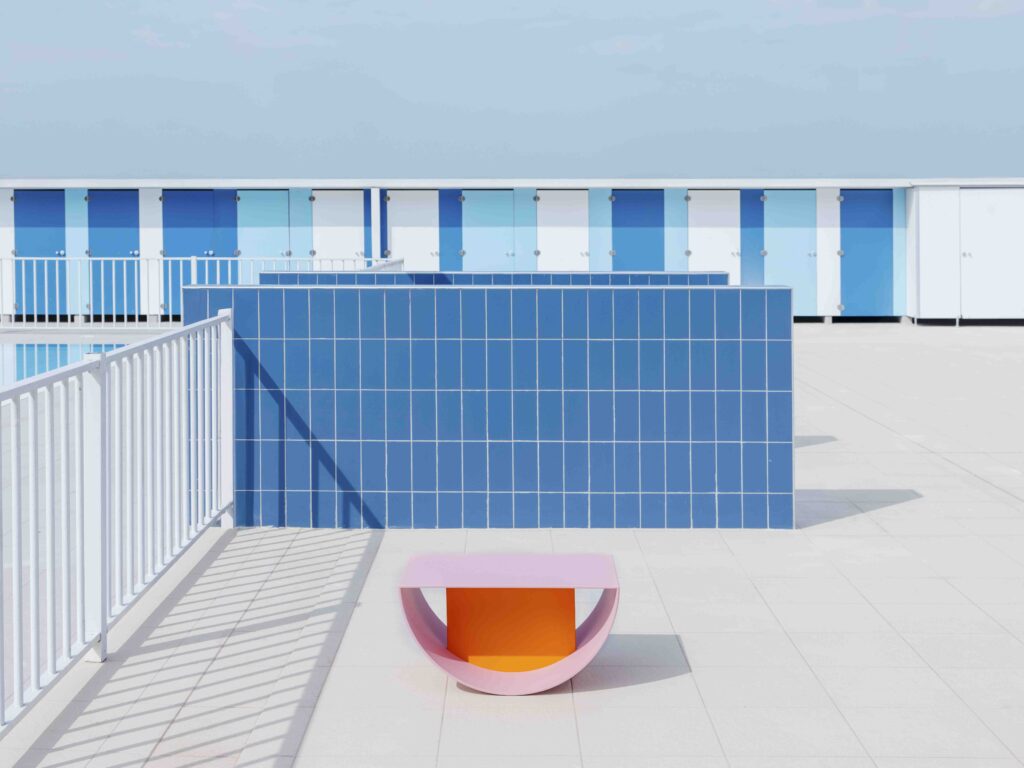
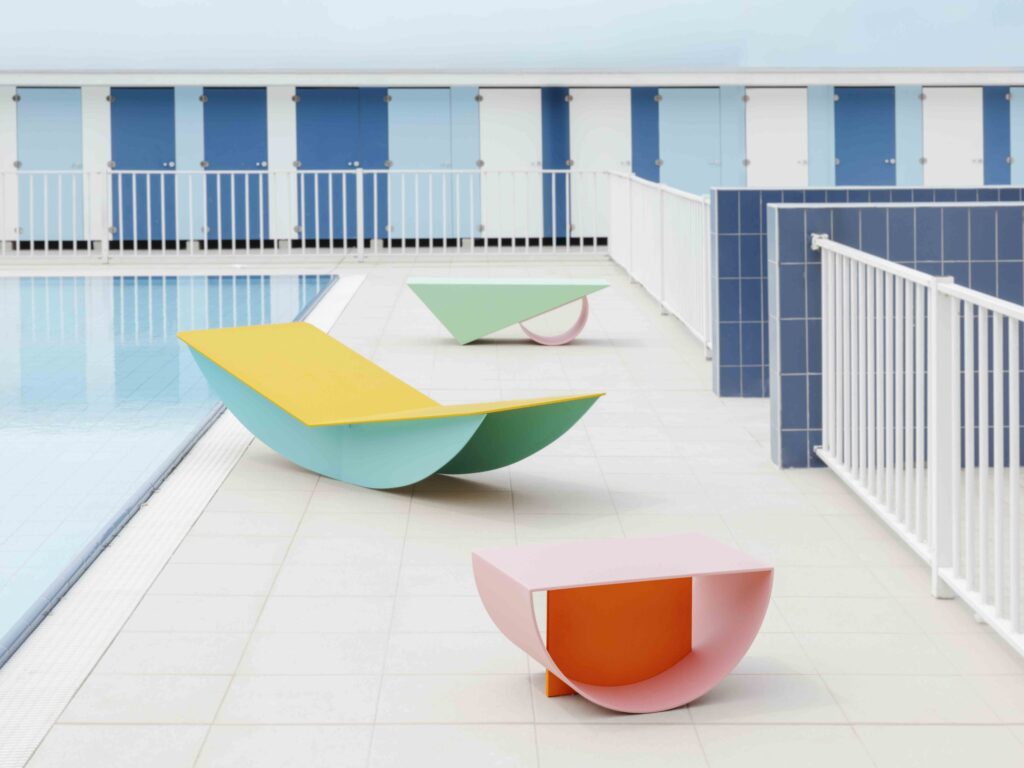
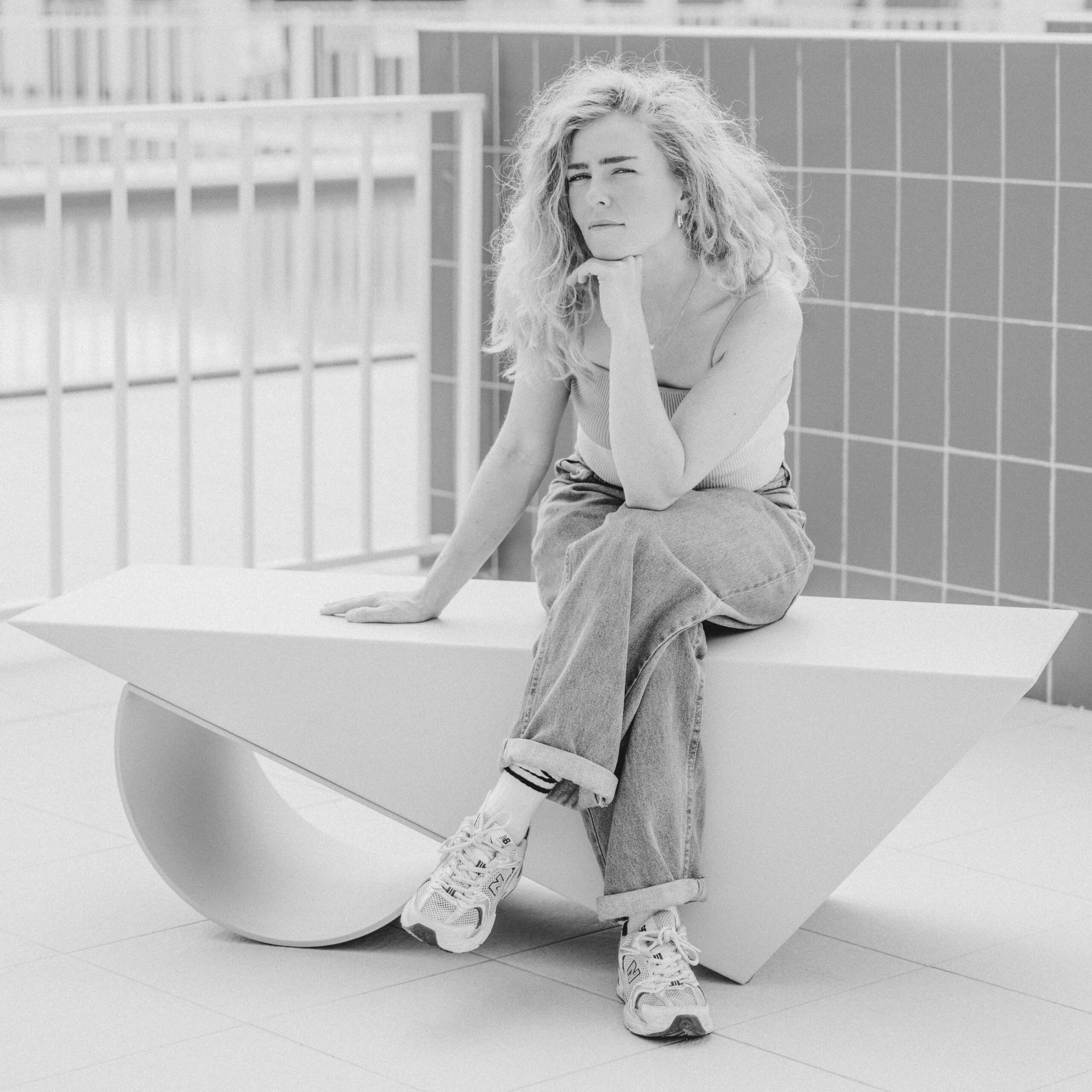
In her work, Debora aims to make the invisible visible. She gives form to abstract ideas, emotions, moods, or concepts through objects, videos, or interiors that carry both playfulness and depth. Her creations often stem from a deeply personal experience or observation, translating the way she perceives the world into something others can see, feel, or connect with. Inspired by the layered nature of life and the complexity of being humans, she explores how to give shape to what can’t easily be put into words. Her visual language is intuitive and abstract, yet deliberately playful. Always inviting a second look, a moment of wonder, or a shift in perspective.
As a designer, Debora strives to create objects that spark a sense of wonder, pieces that may appear sculptural or abstract at first, but reveal a surprising function upon closer look. She believes design has the power to touch people beyond aesthetics, by inviting play, evoking memory, or quietly supporting emotional well-being. With a deep curiosity for how form, material and atmosphere interact, she aims to design in a way that resonates on multiple levels, blending visual poetry with thoughtful craftsmanship.
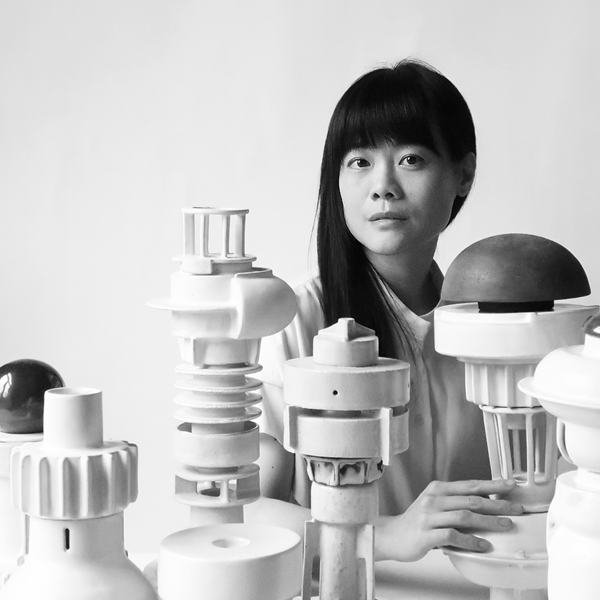
Théodora CHIOU is a Taiwanese collectible artist and designer. A graduate of the Royal Academy of Fine Arts in Brussels, she currently lives and works in Brussels.
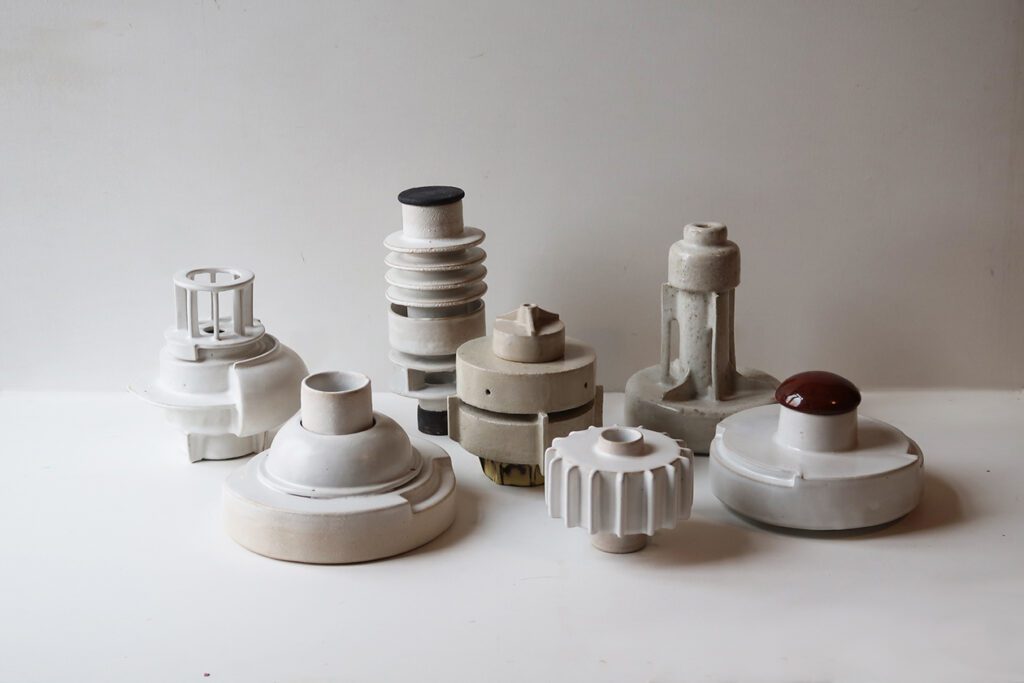
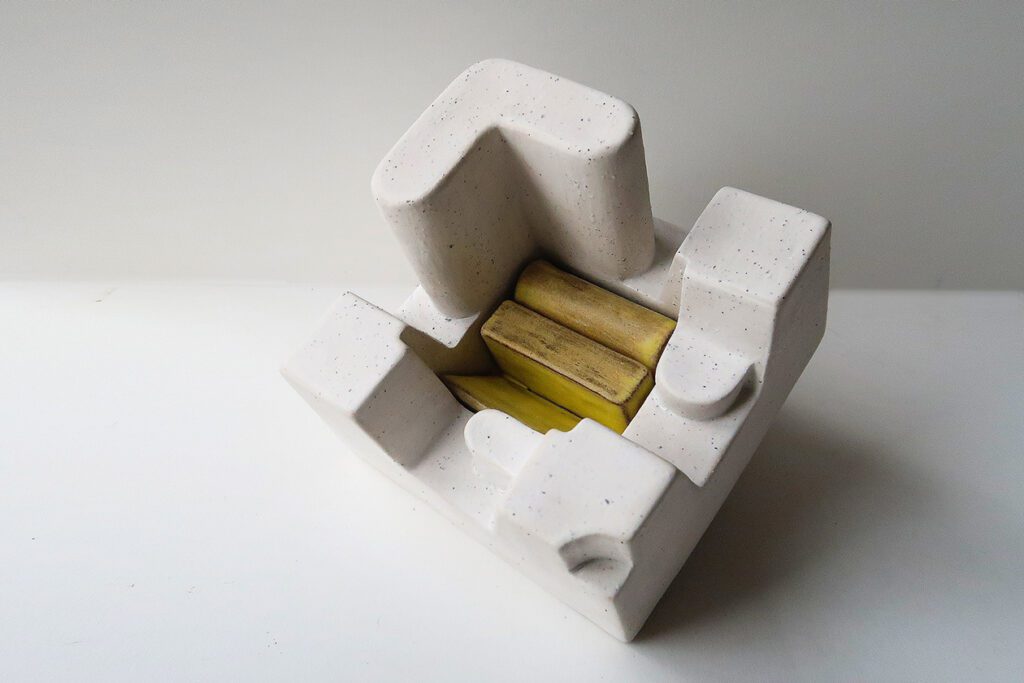
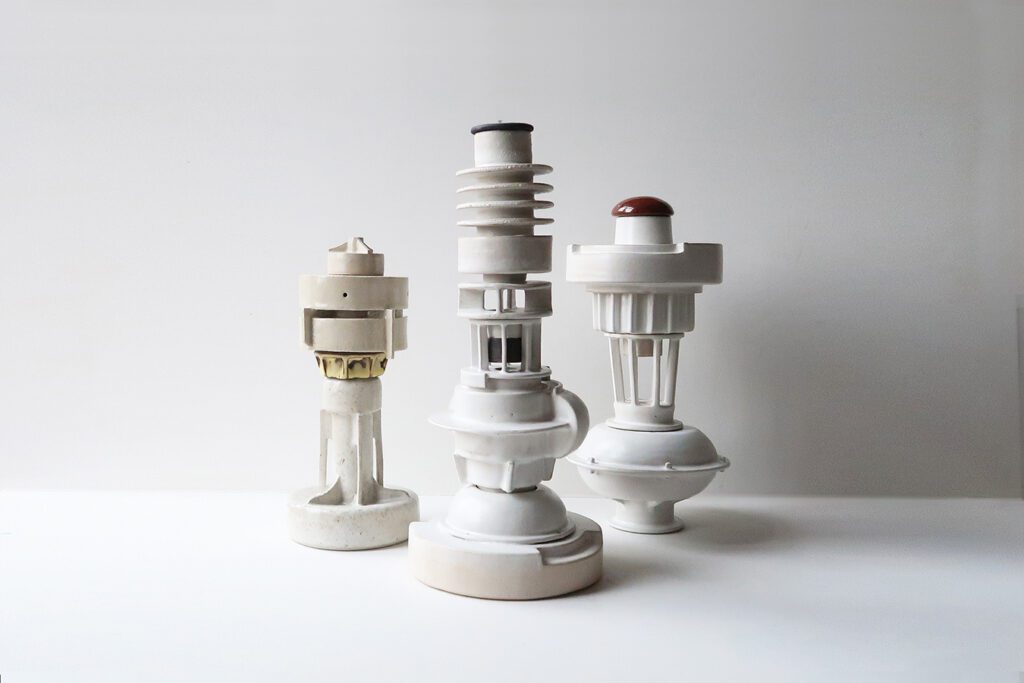
She works with clay to articulate complex ideas and transform abstract concepts into tangible forms. Her practice is inspired by industrial landscapes and the environmental impact of human activity, forming a personal visual language rooted in the theme of the Anthropocene.
Working in a rhythm counter to the pace of the modern world, she hand-builds her sculptures using coils and slabs—eschewing molds and machines. This direct and intuitive process reflects both the resilience and fragility of humanity.
Her modular sculptures, designed to be separated into multiple pieces, allow for flexible presentation and reinterpretation, offering a shifting perspective on perception and understanding.
Elise Corten (b.1994) is a photographer based in Belgium. Elise’s practice primarily explores themes of intimacy, identity and memory through long term photo projects. The concept of family plays a central role in her work.
Elise holds a master’s degree in visual arts from LUCA School of Arts, Belgium. Her work has been featured in exhibitions at home and abroad and can be found in several publications. It has also been internationally reviewed and awarded.